
How to Prepare Your Paver Patio for Fall and Winter
October 01, 2026As temperatures begin to drop, your outdoor space needs a little seasonal attention. Preparing your paver patio for fall and winter can help keep it looking beautiful, reduce maintenance issues, and make it easier to enjoy again when warmer weather returns.
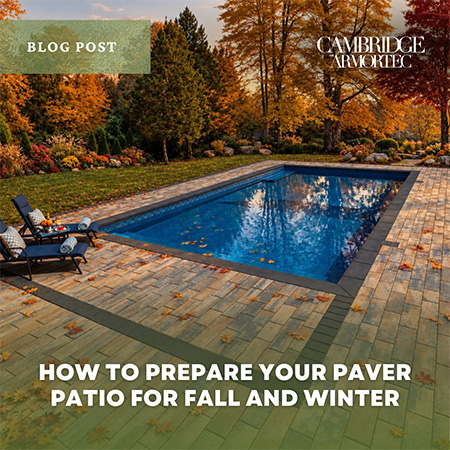
The good news is that paver patios are designed for durability and long-term outdoor use. With a few simple maintenance steps, homeowners can help protect their patio from fallen leaves, moisture, freezing temperatures, snow, and other seasonal conditions.
If your outdoor living space features Cambridge Pavers, fall is an ideal time to inspect the patio, clean the surface, address drainage concerns, and prepare the surrounding space for the months ahead.
Clean Your Paver Patio Before Winter
One of the most important steps in fall patio maintenance is giving your pavers a thorough cleaning before winter arrives.
Leaves, dirt, pollen, food residue, and other debris can collect on the surface throughout the summer and fall. When organic material remains on a patio for long periods, especially when combined with moisture, it can create stains and make spring cleanup more difficult.
Start by removing outdoor furniture, planters, décor, and other movable items. Sweep the entire patio thoroughly, paying particular attention to corners, edges, and areas beneath furniture.
For routine cleaning, water and a mild cleaning solution may be enough to remove everyday dirt. Always follow the cleaning and maintenance recommendations for your specific pavers before using specialty cleaners or pressure-washing equipment.
Regular cleaning not only improves the appearance of your outdoor space but also gives you an opportunity to take a closer look at the condition of your patio.
Remove Fallen Leaves Regularly
Fall foliage may look beautiful around your backyard, but wet leaves should not sit on pavers for extended periods.
Leaves can hold moisture against the patio surface and may leave behind discoloration as they decompose. Certain trees can also release tannins and other natural compounds that may stain outdoor surfaces.
During peak leaf season, sweep or blow leaves off your patio regularly rather than waiting until the end of fall.
This is especially important around outdoor kitchens, fire pits, seating areas, walkways, and other frequently used areas where leaves can quickly accumulate.
Keeping your Cambridge Pavers patio clear of seasonal debris also makes the space more inviting if you plan to continue entertaining outdoors during cooler weather.
Check the Joints Between Your Pavers
The spaces between pavers play an important role in the overall performance and appearance of a patio.
During your fall inspection, look for areas where joint material appears low, uneven, or missing. Joint sand helps stabilize pavers and can help limit movement between individual units.
If you notice significant joint loss or movement, it may be worth contacting a professional hardscape contractor to evaluate the area before winter.
Homeowners should also avoid automatically adding new material without first determining what type of joint sand or installation system was originally used. Using compatible materials is important when maintaining an existing paver installation.
Inspect Your Patio for Drainage Problems
Proper drainage is important throughout the year, but it becomes particularly important before periods of heavy rain, snow, and freezing temperatures.
After a rainstorm, look at how water moves across your patio.
Water should generally drain away rather than sitting in large puddles for extended periods. Pay attention to areas near your home's foundation, steps, retaining walls, outdoor kitchens, and other structures.
If you notice persistent standing water, sunken areas, or water flowing toward the house, consider having the installation inspected by a qualified contractor.
Addressing drainage issues early can help prevent small concerns from becoming larger problems during winter weather.
Inspect Pavers for Movement or Uneven Areas
Fall is also a good time to look for individual pavers that may have shifted, settled, or become uneven.
One advantage of an interlocking paver system is that individual sections can often be accessed and repaired without replacing an entire patio surface.
If you notice noticeable settling, raised areas, or movement, a professional installer can help determine whether the issue is related to the base, drainage, soil conditions, or normal settling.
Checking these areas before winter can be particularly helpful in regions that experience repeated freeze-and-thaw cycles.
Prepare Outdoor Furniture and Accessories
Your pavers are only one part of your outdoor living space.
Before winter, decide which furniture, cushions, umbrellas, rugs, planters, and decorative accessories will remain outside and which should be stored.
Outdoor cushions and fabrics should generally be cleaned and dried completely before storage. Furniture that remains outdoors may benefit from breathable protective covers designed for the specific material.
Large planters should also be considered carefully. Water trapped in certain pots can freeze and expand, potentially damaging the container.
Removing unnecessary items from your patio can also make snow removal and seasonal cleaning easier.
Clean Your Outdoor Kitchen
If your patio includes an outdoor kitchen, fall preparation should include the appliances, countertops, cabinets, and surrounding hardscape.
Remove food residue, grease, and debris from cooking surfaces. Clean grills according to manufacturer instructions and determine whether water lines or other seasonal plumbing components need to be winterized.
If your outdoor kitchen includes refrigeration, sinks, ice makers, or other appliances, follow the manufacturer's cold-weather recommendations.
Cambridge Pavers and outdoor living products can help homeowners create spaces that extend beyond a traditional patio, but each component of a complete outdoor environment may have different winter maintenance requirements.
Prepare Fire Pits and Outdoor Fireplaces
Fire features often become even more enjoyable during the fall.
If your patio includes a fire pit or outdoor fireplace, remove ash and debris and inspect the surrounding area before using it during cooler weather.
For gas-powered fire features, follow the manufacturer's instructions regarding seasonal shutdown, gas connections, covers, and winter maintenance.
If you plan to continue using your fire feature throughout fall and early winter, keep combustible materials, including dry leaves, away from the area.
A well-designed fire feature can help extend the outdoor living season and turn a patio into a comfortable gathering space long after summer ends.
Be Careful With Ice-Melting Products
Homeowners in colder climates may eventually need to address snow and ice on their patios and walkways.
However, not every ice-melting product is appropriate for every type of hardscape.
Some deicing chemicals may affect concrete surfaces, surrounding landscaping, pets, or other materials. Before applying an ice-melting product to Cambridge Pavers or another hardscape surface, review the manufacturer's current care and maintenance recommendations.
Using the appropriate product and application method can help protect the appearance and performance of your outdoor surfaces.
Use the Right Tools for Snow Removal
When snow arrives, proper removal techniques can help reduce unnecessary wear on your patio.
A plastic shovel or snow blower with appropriate settings is often preferable to sharp metal equipment that could scratch or chip hardscape surfaces.
Avoid aggressively chopping or scraping at ice directly on the pavers.
Instead, remove snow regularly so it does not become heavily compacted. Keeping walkways, steps, and frequently used portions of the patio clear can also improve safety around your outdoor space.
Should You Seal Your Paver Patio Before Winter?
Whether a patio should be sealed depends on the paver material, installation, existing treatment, age of the patio, and the specific product being considered.
Sealants can affect appearance, color, maintenance requirements, and surface performance, so sealing should not be treated as a universal seasonal requirement.
If you are considering sealing your patio, consult the paver manufacturer's recommendations or speak with a professional installer who is familiar with your specific application.
Fall may provide suitable weather for certain maintenance projects, but temperature and moisture requirements vary by product.
Can You Still Use Your Patio During Fall and Winter?
Absolutely. Preparing your patio for colder weather does not necessarily mean closing the space for the season.
Depending on your climate, features such as outdoor fireplaces, fire pits, seating walls, lighting, outdoor kitchens, and comfortable furniture can help make a backyard usable well beyond summer.
A well-planned outdoor living space can transition with the seasons. During fall, warm lighting, fire features, blankets, seasonal landscaping, and weather-appropriate furniture can create a comfortable environment for entertaining or relaxing outdoors.
Homeowners planning a new patio may also want to consider year-round use when choosing their layout and outdoor features.
Fall Is Also a Good Time to Evaluate Your Outdoor Space
Seasonal maintenance gives homeowners an opportunity to think about how well their current backyard is working.
Ask yourself:
Does the patio provide enough seating?
Would a fire pit make the space more comfortable during cooler months?
Could an outdoor kitchen improve entertaining?
Would additional walkways make it easier to move between different areas of the yard?
Are retaining walls, steps, or seating walls needed?
Could the patio layout better accommodate family gatherings?
If your outdoor space no longer meets your needs, fall and winter can be an excellent time to start planning future improvements.
Cambridge Pavers offers a wide range of paving stones and outdoor living solutions that can be incorporated into patios, walkways, driveways, fire features, outdoor kitchens, and complete backyard designs.
Planning ahead gives homeowners more time to explore design ideas, product options, and professional installers before the busiest outdoor renovation seasons arrive.
Protect Your Paver Patio With Simple Seasonal Maintenance
Preparing a paver patio for fall and winter does not have to be complicated.
Start by cleaning the surface, removing leaves, checking joints, inspecting drainage, and looking for areas that may have shifted or settled. Then prepare furniture, outdoor kitchens, fire features, and other accessories for colder weather.
Regular maintenance can help preserve the appearance of your outdoor living space while making spring cleanup easier.
And if fall has you thinking about upgrading your patio, walkway, driveway, outdoor kitchen, or backyard entertaining area, explore design inspiration and outdoor living solutions from Cambridge Pavers at cambridgepavers.com.