
How Paver Patterns Change the Look and Feel of Your Outdoor Space
August 01, 2026When designing a patio, walkway, pool deck, or driveway, choosing the right pavingstone is only part of the process. The pattern in which those pavers are arranged can have just as much influence on the finished look of your outdoor space.
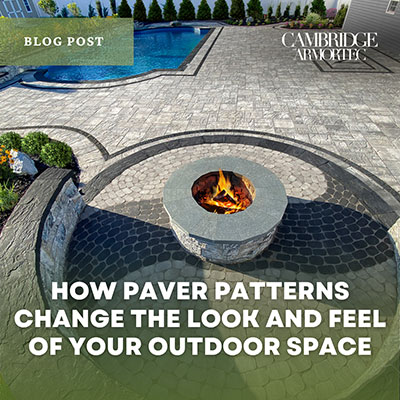
From clean running bond layouts to eye-catching herringbone designs, paver patterns can help an outdoor area feel modern, traditional, spacious, structured, or completely unique.
Why Does the Paver Pattern Matter?
A paver pattern can influence the visual style, movement, and overall character of an outdoor space. The same paver can create a completely different look depending on its layout, orientation, borders, and surrounding hardscape design.
Some patterns create clean lines and a simple backdrop for outdoor furniture and landscaping. Others become a design feature of their own.
When choosing a pattern, consider the style of your home, the size and shape of the space, and how you want the finished area to feel.
What Is a Running Bond Paver Pattern?
A running bond pattern arranges pavers in offset rows, creating a clean and familiar look that can complement a variety of outdoor designs.
Because of its simplicity, running bond can work especially well when homeowners want the color and texture of their pavingstones to take center stage.
The linear layout can create a sense of movement through the space and can be used for patios, walkways, pool areas, driveways, and other hardscape applications.
Running bond can be a great choice for homeowners looking for an outdoor space that feels:
- Clean and organized
- Timeless
- Relaxed and understated
- Easy to coordinate with surrounding design elements
How Does a Herringbone Pattern Change a Patio?
A herringbone pattern creates a more dynamic look by arranging rectangular pavers in an interlocking, angled design.
The repeated angles naturally draw the eye across the surface, adding movement and visual interest even when a single paver color is used.
Because the pattern itself becomes part of the design, herringbone can work beautifully when homeowners want their patio, walkway, or driveway to make a stronger visual statement.
It can help an outdoor space feel:
- Detailed and sophisticated
- Classic with a distinctive edge
- Structured
- Visually energetic
For an even more customized look, a herringbone field can be framed with a contrasting border that helps define the shape of the outdoor space.
What Look Does a Basket Weave Pattern Create?
Basket weave patterns create a distinctive geometric look by grouping rectangular pavers in alternating directions.
The result has a decorative, traditional character that can work especially well with homes inspired by classic, historic, or European design. Compared with a simple linear pattern, basket weave creates more visible detail across the paved surface. This can make the pattern itself an important part of the overall outdoor design.
Homeowners looking for charm and character may consider basket weave for courtyards, garden paths, patios, or other areas where the hardscape is meant to attract attention.
Can Large-Format Paver Patterns Make a Space Feel More Modern?
Yes. Larger pavers and slabs arranged in clean, simple layouts can help create a modern or contemporary outdoor aesthetic.
The larger shapes can reduce the amount of visual detail across the surface, allowing clean lines, architectural features, furniture, landscaping, and other outdoor elements to stand out.
Large-format designs can work particularly well for:
- Contemporary patios
- Pool decks
- Outdoor kitchens
- Minimalist landscapes
- Modern entertaining areas
Mixing complementary paver sizes can add visual variation while maintaining a streamlined appearance.
How Can Paver Patterns Define Different Outdoor Zones?
Paver patterns can help visually separate different areas of a backyard without the need for walls or physical barriers.
For example, a patio could feature one primary pattern for the main entertaining area and a different orientation, border, or accent design around an outdoor kitchen, fire feature, or dining space.
Patterns can be used to distinguish:
- Dining areas from lounge areas
- Pool decks from surrounding patios
- Outdoor kitchens from general entertaining areas
- Walkways from gathering spaces
- Fire pit areas from larger patios
These subtle changes can make a large outdoor space feel more organized while still maintaining a cohesive design.
Can the Direction of a Paver Pattern Change How a Space Feels?
The direction of a paver pattern can influence how the eye moves through an outdoor space.
A linear pattern placed along the length of a walkway can visually emphasize its direction, while an angled pattern may add movement and make the surface feel more dynamic.
This can be especially useful when designing narrow walkways, long patios, entryways, or other spaces where the layout can guide attention toward a destination or focal point.
When planning a patio or walkway, consider not only which pattern you prefer, but also how its direction will interact with the shape of the space and surrounding architecture.
How Do Borders and Inlays Change a Paver Design?
Borders and inlays can turn a simple paver layout into a more customized outdoor design.
A contrasting border can frame a patio, highlight the edge of a walkway, or create separation between different backyard zones. Inlays can introduce shapes, patterns, or focal points within a larger paved area.
These details can be subtle or dramatic depending on the colors, paver sizes, and patterns selected.
For example, homeowners might use:
- A darker border around a lighter patio
- A contrasting pattern around an outdoor dining area
- A circular design as a patio focal point
- An accent band along a walkway
- Different paver orientations to separate outdoor zones
Small design details can create a more finished, intentional look without changing the entire pavingstone selection.
Can Circular Paver Patterns Create a Focal Point?
Yes. Circular and fan-inspired paver designs can create a natural focal point within a patio or larger outdoor living space.
Rather than directing the eye in a straight line, circular patterns draw attention toward the center of an area. This makes them especially useful around features designed for gathering or visual impact.
A circular paver design might be incorporated around:
- A fire pit
- A seating area
- A fountain
- A courtyard
- A garden feature
- The center of a larger patio
Combining a decorative center pattern with a simpler surrounding layout can help create visual interest without overwhelming the entire space.
How Do You Choose the Right Paver Pattern for Your Home?
The right paver pattern depends on the style of the home, the size of the outdoor area, the pavingstone selected, and the overall look you want to achieve.
Start by considering the architecture of your home and other permanent features in the landscape.
For a modern home, larger pavers and streamlined layouts may complement clean architectural lines. Traditional homes may pair well with running bond, herringbone, basket weave, or other classic arrangements. For a more customized backyard, combining patterns, borders, and focal points can create additional character.
It is also important to consider the entire outdoor space rather than choosing a pattern in isolation. Paver color, texture, furniture, landscaping, walls, steps, outdoor kitchens, and fire features all contribute to the finished design.
Cambridge Pavingstones with ArmorTec® are available in a variety of shapes, styles, colors, and design possibilities, allowing homeowners to create a hardscape that complements both their home and their personal style.
Does Every Outdoor Area Need the Same Paver Pattern?
No. Different patterns can be used throughout an outdoor space while still creating a cohesive overall design.
The key is to establish visual connections between each area. Using complementary colors, repeating borders, coordinating paver styles, or carrying one design element throughout the project can help separate spaces without making the backyard feel disconnected.
For example, a simple pattern could cover the main patio while a decorative layout highlights the fire pit. A coordinated walkway could then connect the patio with the pool area or outdoor kitchen.
This approach allows each space to have its own character while remaining part of one complete outdoor design.
Create a Pattern That Fits Your Outdoor Style
Paver patterns do more than determine where each pavingstone goes. They can influence how an outdoor space looks, feels, and flows. Running bond can create a clean and timeless foundation. Herringbone can add movement and detail. Basket weave can introduce traditional character. Large-format layouts can create a streamlined, contemporary feel, while borders, inlays, and circular patterns can turn specific areas into focal points.
By considering pattern along with color, texture, scale, and the surrounding landscape, homeowners can create an outdoor space that feels intentional from every angle.
Explore Cambridge Pavingstones with ArmorTec® and discover patterns, colors, and design inspiration for patios, pool decks, walkways, driveways, and complete outdoor living spaces.