
Common Backyard Renovation Mistakes (and How to Avoid Them)
February 01, 2026At Cambridge Pavers, we support contractors and design professionals who install outdoor spaces every day. Through these projects, we gain deep insight into what contributes to long-term performance and what can lead to avoidable issues over time
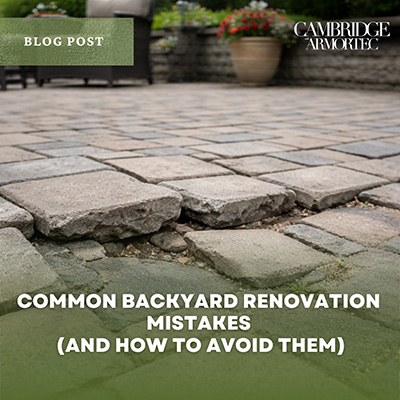
A backyard renovation is a significant investment, and small decisions made early in the process can have a major impact on how a patio or outdoor space performs years down the line. Based on what we see across thousands of installations, here are some of the most common backyard renovation mistakes — along with practical ways to avoid them.
1. Choosing Materials Based on Price Instead of Performance
Outdoor surfaces are exposed to heavy use, moisture, and changing temperatures.
The mistake:
Selecting materials based primarily on upfront cost rather than long-term performance.
How to avoid it:
Ask your contractor about material performance in your specific climate, long-term durability, and maintenance requirements. A qualified professional should be able to explain how different paving systems respond to temperature changes, moisture exposure, and long-term use.
2. Skipping Proper Base Preparation
The foundation of your patio plays a critical role in long-term performance.
The mistake:
Rushing or minimizing base preparation to reduce time or costs.
How to avoid it:
Ask your contractor to explain their base preparation process, including aggregate selection, compaction methods, and depth requirements. These installation standards play a critical role in long-term surface stability and performance.
3. Not Planning for Drainage
Water management is one of the most overlooked aspects of backyard design.
The mistake:
Assuming water will naturally drain away without a defined drainage plan.
How to avoid it:
Ask your contractor how drainage will be addressed in your design. Proper grading, pitch, and drainage planning should be part of a professional installation to help move water away from structures and paved surfaces.
4. Designing for Trends Instead of Lifestyle
While design inspiration is everywhere, functionality should always come first.
The mistake:
Creating a space based on visual trends rather than how the homeowner will actually use the area.
How to avoid it:
Work with your contractor or designer to review how you plan to use the space. A professional should help translate lifestyle needs into proper layout, circulation, and feature placement.
5. Overlooking Long-Term Maintenance
Every outdoor surface requires maintenance over time.
The mistake:
Not understanding ongoing maintenance requirements before selecting materials.
How to avoid it:
Ask your contractor to review recommended maintenance, sealing schedules, and long-term care expectations for your selected materials. This helps ensure you understand what is required to protect your investment.
6. Failing to Plan for Multi-Season Use
Outdoor spaces can be designed for more than just peak summer use.
The mistake:
Designing a patio that is only comfortable during warm-weather months.
How to avoid it:
Discuss multi-season features with your contractor, such as fire pits, outdoor fireplaces, covered areas, and wind protection. A professional can help design a space that remains functional and comfortable beyond peak summer months.
7. Not Involving Professionals Early in the Process
Early planning can prevent costly changes later.
The mistake:
Moving forward without professional guidance on layout, grading, and material selection.
How to avoid it:
Work with experienced contractors and design professionals early in the process. They can help ensure proper construction methods, drainage strategies, and material specifications are used from the start, reducing the risk of future performance issues.
Questions Homeowners Should Ask Their Contractor
Including the right questions early can help ensure a smoother project and better long-term results:
- What base preparation methods and compaction standards do you use?
- How will drainage and water management be addressed in my design?
- Which materials perform best in my local climate?
- What maintenance and sealing will be required over time?
- How will this design support multi-season use?
- What installation standards do you follow for long-term performance?
These questions help homeowners better understand the process and ensure their contractor is following professional best practices.
At Cambridge Pavers, we believe long-term performance starts with professional planning, proper installation practices, and quality materials. Homeowners should feel confident asking detailed questions and working with qualified contractors who follow industry standards.
A successful backyard renovation is a collaboration between homeowners, designers, and contractors. The right process helps ensure your outdoor space delivers lasting beauty, durability, and value.